

By Emma Mayorga
TAMPA – Hillsborough County’s Mosquito Management is working to fight the outbreak of dengue fever by continuing to monitor mosquito populations, treating breeding sites and taking extra precautions to protect themselves from exposure.
Christine McGill, a mosquito control inspector who has been with Mosquito Management Services (MMS) for two years, is one of the workers responding to mosquito activity throughout the county.
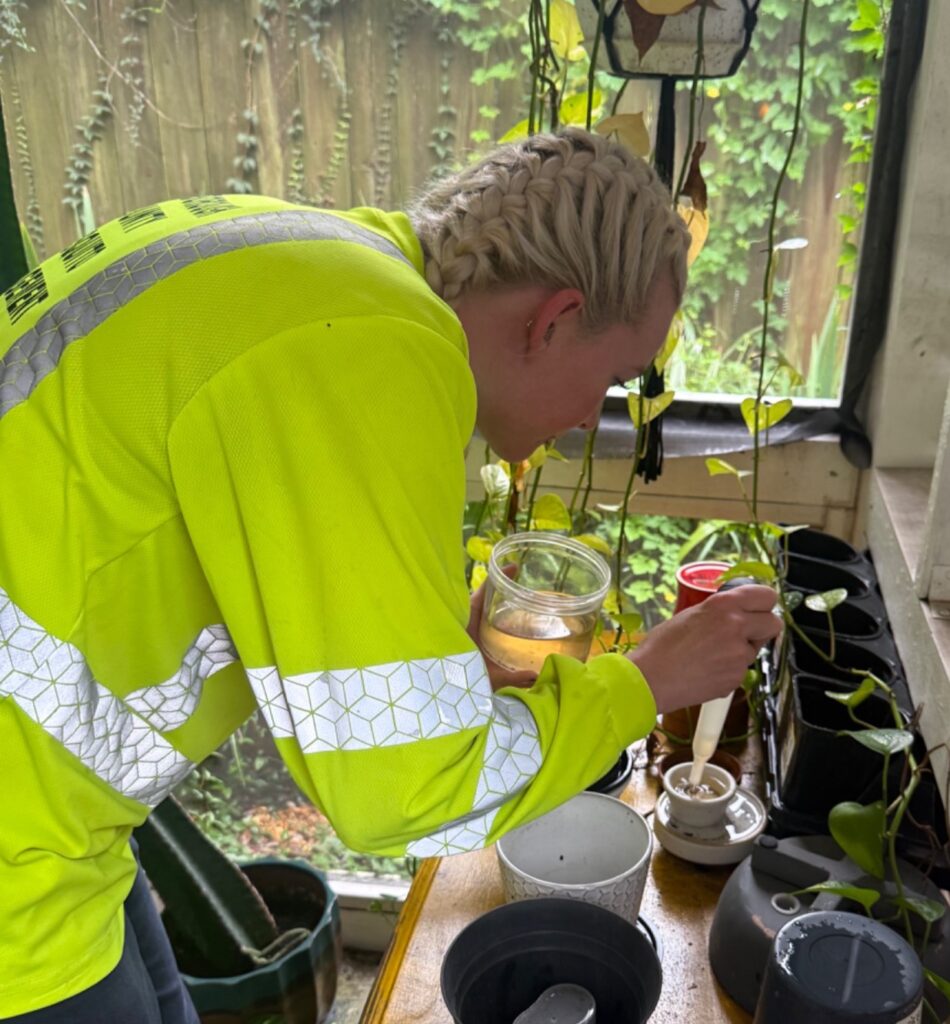
“So I go out and do the physical investigation, and I check for larvae, any breeding, I check for adults, if there’s adult mosquitoes, which ultimately calls whether or not they will spread,” McGill said.
MMS workers like McGill are now on the front lines since the countywide state of emergency declaration on Sept. 24. They are working day and night to spray and treat mosquitoes all around town, which breed in standing water found in tires and other containers. While the hours have grown longer, mosquito management is working tirelessly to ensure the community remains safe.
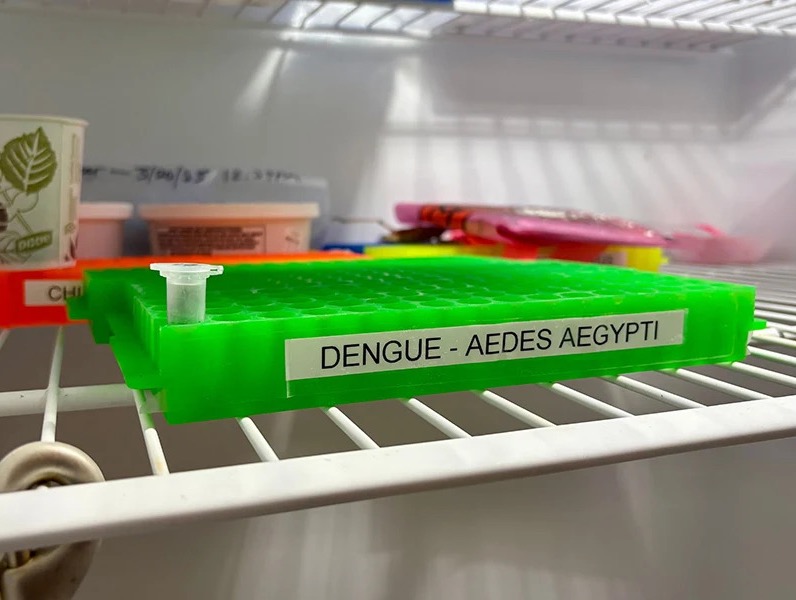
Dengue fever is a mosquito-borne illness that has been spreading through the Aedes aegypti mosquito across Tampa Bay since late July. The outbreak has called for an urgent response. This work also requires employees to take precautions such as using bug spray and wearing long sleeves as workers are constantly in areas where they may be exposed to mosquitoes. McGill said workers are required to wear nets, and if they find a large number of mosquitoes, known as a landing rate, they must return to their trucks and fog the area.
Caitlyn Hine, an inspector two at MMS who has worked with the organization for more than three years, spends half her shift outdoors monitoring mosquito populations.
“I identify the mosquitoes in those traps, count them by species, and we also have a sentinel chicken program which helps us keep track of viruses such as West Nile virus and Triple E, which is an Eastern equine encephalitis.”
Hine regularly goes into areas where mosquitoes are present. With dengue now circulating, she has to be more cautious about protecting herself in the field. Her biggest concern about dengue is the severity of the virus and the chance of getting it again.
“It sounds really painful, it’s called like the bone-breaking disease. Where the more you get it, the more dangerous it is,” Hine said.
The county is seeing a rise in cases and has been receiving help from neighboring counties to increase the responding workforce. MMS is increasing its efforts to target mosquitoes at different stages in their life cycle.
Gabby Henderson, a community relations officer at MMS, said that the county has brought in extra resources to ramp up the response and treat more target areas, focusing overall on integrated mosquito management.
“We kind of hit it from all angles, so we have the larva we target them before they’re biting adults because it’s a lot easier to get rid of, you know, a bucket of thousands of larvae than it is to kill thousands of adult mosquitoes with like a fly swatter,” Henderson said.
Although the spread of dengue is urgent, the agency prepares for an emergency such as this year-round. The virus has required more vigilance and hours spent outdoors, but procedures have remained the same, only becoming more intense.
“No matter what time of year we’re checking for standing water in areas all around the county, we’re responding to requests from citizens about standing water, about mosquito breeding, about property inspections, and about education,” Henderson said.
The work MMS is doing almost around the clock is paying off. Although cases are still rising countywide, the organization is seeing evidence that its efforts are working.
“We are setting traps by one tire shop, and the first time we set that trap, it had a thousand mosquitoes. The next time we set that trap after treating for several days in a row, we set the same trap in the same spot it had eight adult mosquitoes.”
Reporter Emma Mayorga is a journalism student in the Beginning Reporting class at the University of South Florida’s Mass Communications school.