

By Hailey Andrews
TAMPA – Public health experts at USF have noticed that this dengue fever outbreak in Florida is different from previous ones.
According to Dr. Sten Vermund, Dean of the College of Public Health at USF, previous outbreaks would have been short-lived, caused by introduction of the virus through a traveler and spread through mosquito bites.
“We have never been quite tropical enough for the sustained transmission of the virus. But with warming of our climate and ongoing abundance of rainfall, we now have mosquitoes in higher densities and living longer,” Vermund said.
Dengue fever is endemic to tropical climate zones in countries like Haiti, the Dominican Republic, Puerto Rico, Cuba, Central America and northern Latin America. This means that in these hot, wet countries dengue fever is a regularly occurring virus.
In previous years, Florida’s climate was not hot or humid enough to support continuous transmission of the virus. At the end of mosquito season, a dengue fever outbreak would die out too.
But with Florida’s rising temperatures and year-round mosquito season, dengue fever might be here to stay.
If dengue fever may become a new reality for Florida, what do USF students need to know?
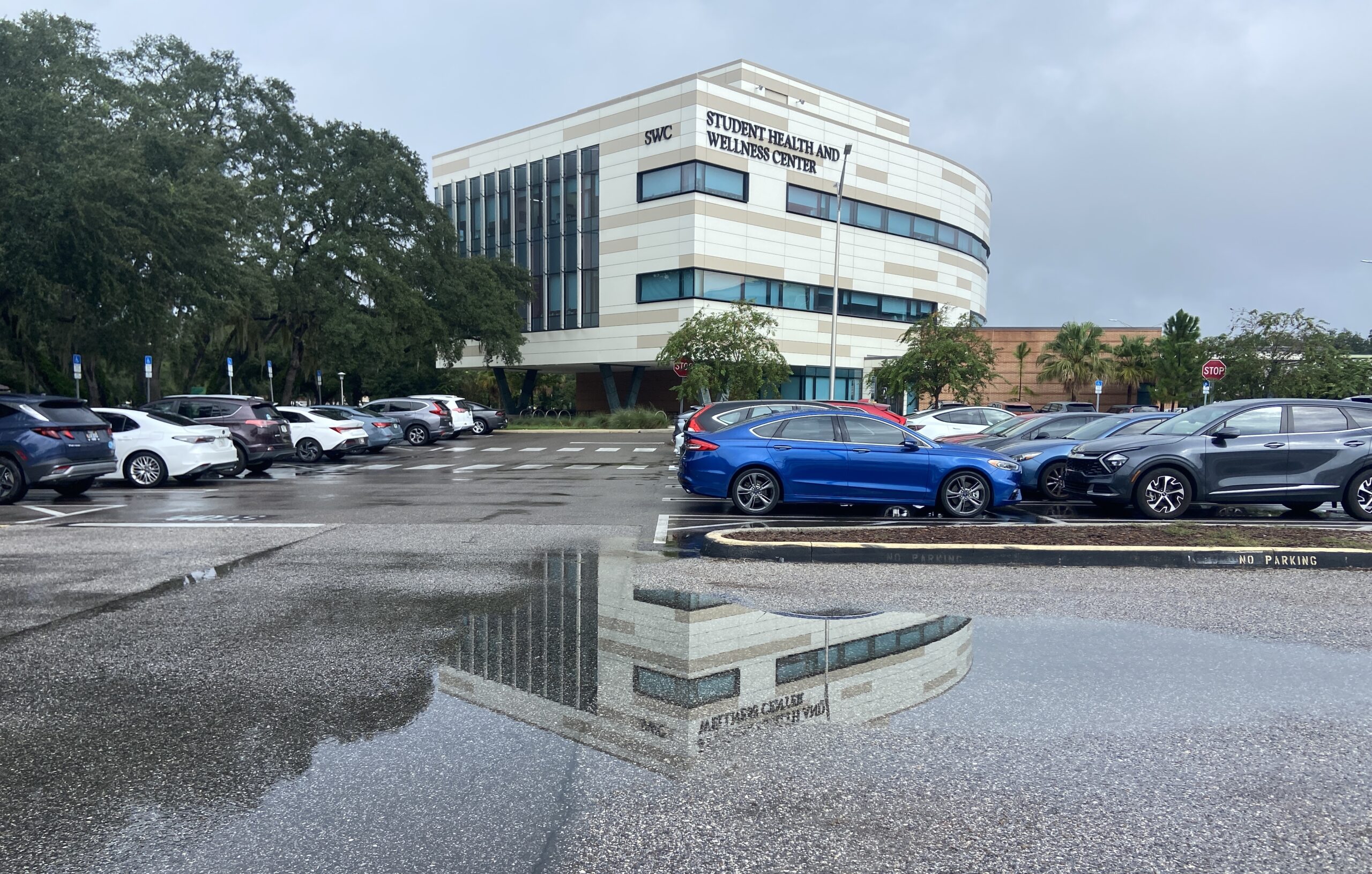
This year, Hillsborough county has seen 259 confirmed local cases, which is the largest local outbreak seen in the continental U.S. in decades, according to USF’s Dr. Joseph Puccio, medical director of the USF Student Health and Wellness Center. The local state of emergency has been in effect since September 24 and has been renewed four times. The County Administrator has placed the county under a state of emergency until October 29 or later, according to a press release.
Puccio said that while students should be cautious and careful, there is no need to panic.
“You cannot catch it from sitting next to someone in class, coughing, or shaking hands. The only way to get it is from a mosquito bite. Because the virus is actively living in local mosquitoes right now, you just need to protect yourself when you are outdoors,” said Puccio.
Students should dump any standing water that they can, according to Puccio and Vermund. Mosquitoes lay their eggs in puddles and other non-moving water sources. Flower pots, buckets, discarded tires, birdbaths, toys, pet dishes, and trash should be checked and cleared of water at least once a week.
A USF Facilities expert reported that USF’s grounds crew monitors for standing water as part of their routine and that a contracted pest control company uses EPA-registered mosquito traps to control mosquito populations on campus.
Puccio also urges students to wear long sleeves and use bug spray. He recommends insect repellents that contain DEET or Picaridin.
Only about one-in-four dengue cases actually produces symptoms. Many people who contract the fever never feel sick at all.
Symptoms of dengue can appear four to 10 days after a bite, according to Dr. Puccio.
“Mild dengue feels like a terrible flu,” Puccio explained, “it is often nicknamed “break-bone fever” because it causes agonizing muscle and joint pain. Other common signs are a sudden high fever up to 104°F, a severe headache, painful throbbing behind the eyes, nausea, throwing up, swollen glands, and a patchy red rash.”
Serious dengue fever cases can arise from contracting two different strains of the virus.
“The tricky part about dengue is there are four different dengue viruses. For many viruses like flu or COVID, if you get one, it partially protects you from others. We call that cross-reacting immunity,” Dr. Vermund explained, “but in the case of dengue, the opposite is true.”
For regular cases of dengue fever, Dr. Puccio recommends drinking plenty of water and hydrating fluids, and avoiding Ibuprofen and Aspirin. Tylenol is much safer to use with the symptoms of dengue and can be used to lower fever and ease pain.
“Treatment is all about resting and helping the body recover,” Puccio said.
Public awareness is also important when it comes to dengue. When 15 USF students were polled, two-thirds said they had never heard of the fever before.
An informed public would be well-equipped to deal with a new reality of dengue fever in Florida.
“Mosquito control is critical,” Vermund said, “the other thing that is critical is public communication.”
Reporter Hailey Andrews is a journalism student in the Beginning Reporting class at the University of South Florida’s Mass Communications school.